Hail Damage In Eastern Iowa: What Paintless Dent Repair Can (And Can't) Fix
The dividing line between a dent that pops out clean and one that needs bodywork comes down to one thing: whether the paint film itself broke.
September 9, 2026 · 4 min read
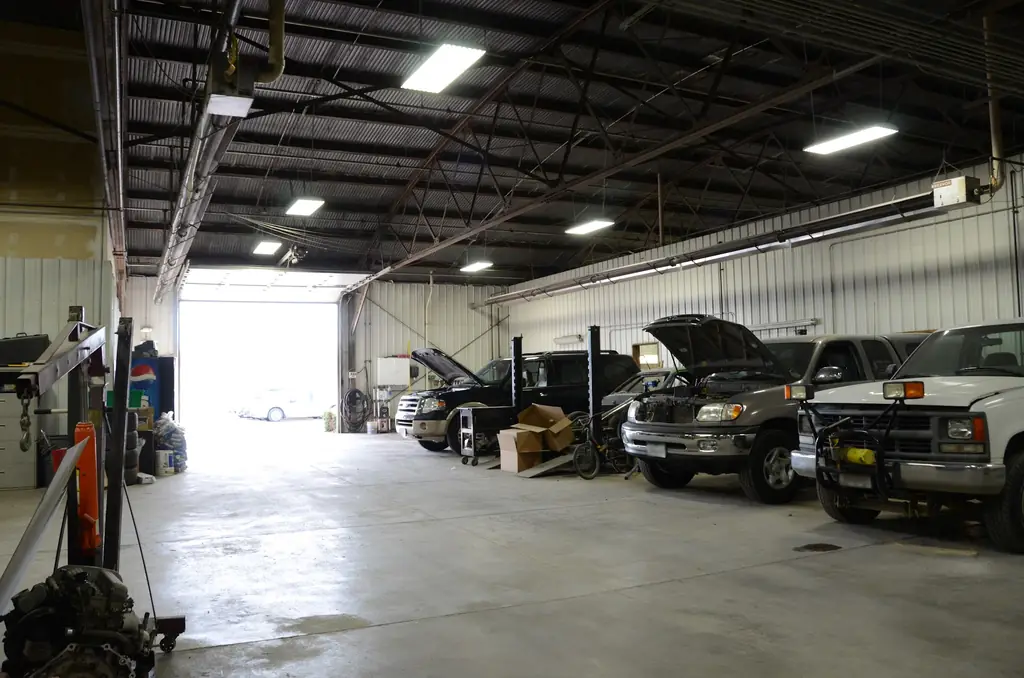
Eastern Iowa gets hail most years, and most years someone walks out to their driveway after a storm to find their hood and roof covered in small round dents that weren't there the night before. The first question everyone asks is the same: does this need to be painted, or can it just be popped back out? The honest answer depends on one thing, and it's not the size of the dent. It's whether the paint itself broke.
What paintless dent repair actually is
Paintless dent repair, PDR for short, works from behind the panel. A technician accesses the back side of the metal and gently massages the dent back out, using the metal's own memory to return to its original shape. Because nothing gets sanded, filled or repainted, the factory finish on that panel stays completely original. Done well, the panel looks like the storm never happened, and it costs a fraction of what a full repaint would. It's genuinely the best outcome available for hail damage, when the damage qualifies for it.
The line that decides whether PDR works: is the paint film intact
Metal can flex and return to shape. Paint can't flex nearly as far. On a shallow, gentle dent, the metal moves just enough to dish inward without ever stretching the paint film past its limit, so the paint rides along and comes back with the metal, undamaged. On a sharper or deeper dent, the metal stretches further than the paint can follow, and the paint film cracks, chips, or separates from the metal at the point of impact even if you can't always see it without looking closely. Once that happens, paintless repair can still fix the shape of the dent, but it can't fix broken paint. The area needs to be prepped, primed and painted, which brings it into a different kind of repair.
So the real test isn't how big the dent looks. It's whether you can find cracked, chipped, or missing paint at the center of it. A dent the size of a golf ball with the paint still fully intact is often a clean PDR job. A smaller dent with a visible crack or a spot where you can see bare metal or primer is not.
Why the roof and hood usually take the worst of it
Horizontal panels catch hail closer to straight on, which means more of the stone's energy transfers directly into the metal instead of glancing off at an angle. That's why the roof, hood and trunk lid usually come out of a storm with more dents, and more severe ones, than the doors or fenders, which are more vertical and take more glancing hits. If you're checking your own car after a storm, that's where to look first and look closest.
Most hail-damaged cars are actually a mix of both
It's rare for a whole car to fall cleanly into one category or the other. A more common result is a roof and hood covered in dozens of small dents where the paint held, alongside a handful of sharper impacts, often near panel edges or body lines, where it didn't. That's not a reason to assume the whole car needs paint, and it's not a reason to assume the whole car can be popped out either. It's a reason to actually inspect panel by panel before deciding anything. A few things worth checking yourself before you even bring it in:
- Run your hand lightly over each dent. A crack or a rough edge you can feel is a sign the paint broke, even if it's hard to see
- Check body lines and panel edges closely. Paint is more likely to crack near a crease than in the middle of a flat panel
- Look at the dent from a low angle in good light rather than straight down, which makes shallow dents easier to spot and easier to judge
- Don't try to push a dent out yourself first. A dent that could have been a clean PDR job can stretch the paint further if it's pressed on before a technician looks at it
Why broken paint matters more heading into an Iowa winter
A dent with intact paint is mostly a cosmetic issue. A dent with broken paint is an exposed edge on bare metal, and that's a different problem once the weather turns. Road salt, moisture and repeated freeze and thaw cycles through an Iowa winter are exactly the conditions that let a small paint break turn into a rust spot by spring. That's a real reason not to let hail damage with broken paint sit unaddressed through the cold months, separate from how it looks.
If your car picked up hail damage this season, walk around it in good daylight and check each panel for paint that's actually cracked or chipped, not just dented. Andrews Collision Center has been repairing cars in Cedar Rapids since 1958, and we do both paintless dent repair and full bodywork and paint under the same roof, so whichever your car needs, it doesn't mean a second trip to a second shop. Bring it in and we'll tell you honestly which repair it actually needs.
Andrews Collision Center, (319) 365-4627
Call (319) 365-4627More articles
Why We Measure Your Car Before We Quote The Repair
A bent frame rarely shows on the surface. Here's what our computerized laser measuring system is checking before a wrench ever touches a panel.
What A Full Diagnostic Check Catches After A Fender Bender
A fender bender that seems minor can still push a control arm or a steering component out of spec without leaving a mark you'd notice by looking.